Earthquakes are a natural disaster that can cause significant damage to buildings and infrastructure. In order to minimize the impact of seismic activity and protect structures from collapse, engineers have developed a variety of techniques and technologies. One such method is the use of seismic braces, also known as seismic bracing or seismic bracing systems. These devices are used to reinforce buildings and prevent them from collapsing during an earthquake.
seismic braces are essentially structural elements that are added to buildings to increase their resistance to seismic forces. These braces can be made of various materials, such as steel or concrete, and are designed to absorb and dissipate the energy generated by an earthquake. By installing seismic braces, engineers can improve the overall stability and strength of a building, reducing the risk of structural failure during a seismic event.
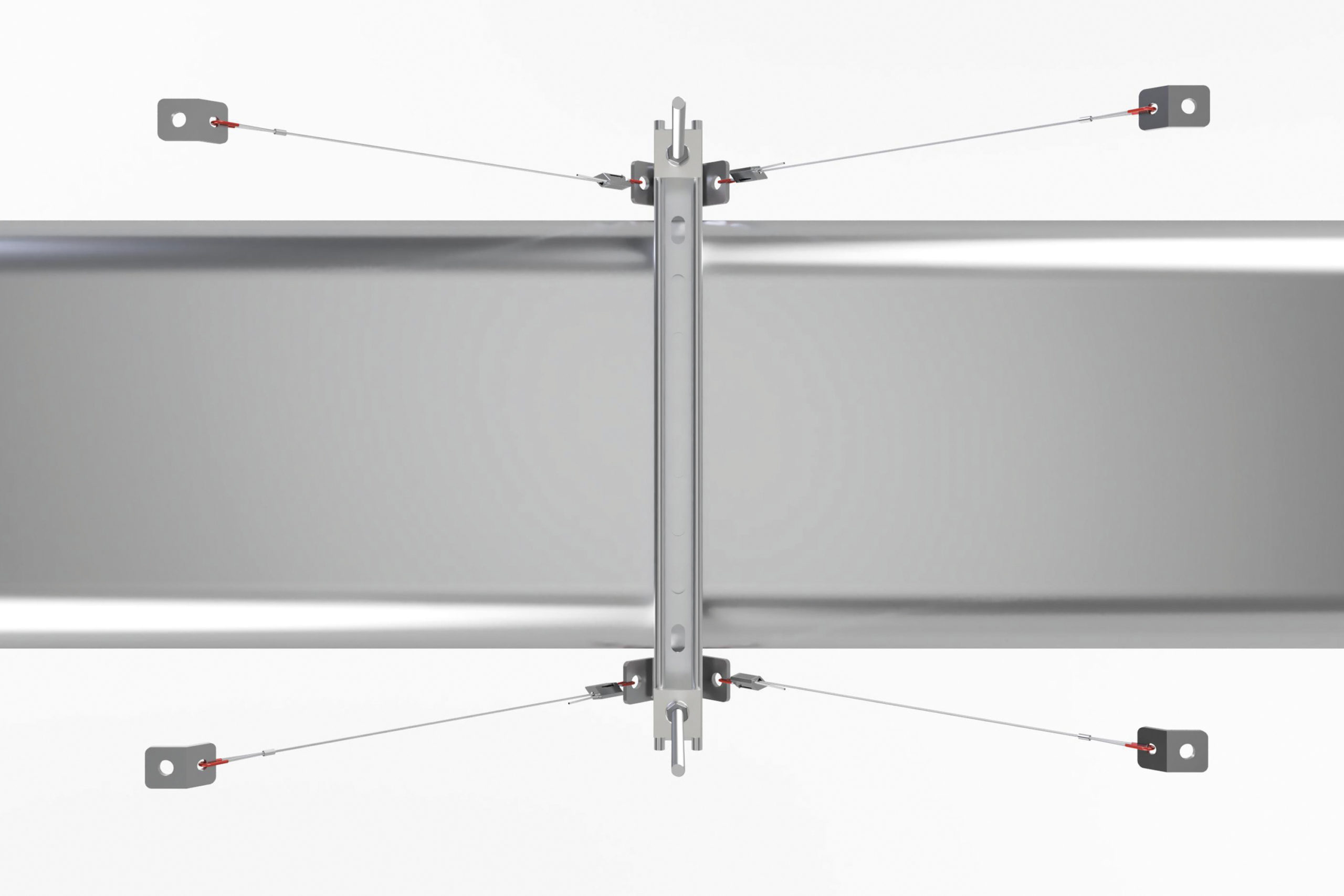
One of the key benefits of seismic braces is that they can be installed in both new and existing buildings. For new construction, engineers can incorporate seismic braces into the design of the building from the beginning, ensuring that it is resilient to seismic activity. For existing buildings, seismic braces can be retrofitted onto the structure to improve its performance during an earthquake. This flexibility makes seismic braces a valuable tool for enhancing the seismic resistance of buildings of all ages.
In addition to protecting buildings from collapse, seismic braces can also help to prevent other types of damage caused by earthquakes. By reducing the amount of movement and shaking that a building experiences during a seismic event, seismic braces can minimize non-structural damage, such as damage to walls, ceilings, and contents. This can help to reduce repair costs and downtime after an earthquake, allowing buildings to return to normal operation more quickly.
There are several different types of seismic braces that can be used to reinforce buildings. One common type is the diagonal brace, which is a diagonal member that is connected between two structural elements, such as a beam and a column. Diagonal braces are effective at transferring seismic forces through the building and reducing the amount of lateral movement that occurs during an earthquake. Another type of seismic brace is the X-brace, which is a crossed configuration of braces that provide additional stability and resistance to lateral forces.
In addition to these traditional braces, engineers have also developed advanced seismic bracing systems that use dampers and other innovative technologies to improve the performance of buildings during earthquakes. These systems are designed to absorb and dissipate seismic energy, reducing the impact of seismic forces on the building structure. By combining traditional braces with these advanced technologies, engineers can create highly resilient buildings that are able to withstand even the strongest earthquakes.
While seismic braces are an effective tool for enhancing the seismic resistance of buildings, they must be properly designed and installed in order to be effective. Engineers must carefully analyze the structural characteristics of a building, as well as the potential seismic hazards in the area, in order to determine the appropriate type and placement of seismic braces. Improper installation of seismic braces can actually weaken a building’s structural integrity, so it is essential that this work be carried out by trained professionals.
In conclusion, seismic braces are a critical component of earthquake-resistant building design. By reinforcing buildings with these structural elements, engineers can improve their resilience to seismic forces and reduce the risk of collapse during an earthquake. Whether used in new construction or retrofitted onto existing buildings, seismic braces play a crucial role in protecting structures and minimizing the impact of earthquakes on people and property.